
Overview
Max Elevation
5,320m
Duration
14 Days
Difficulty
Grade III
Price
From £1,265
Group Size
2-12 People
Fixed Departures
15th – 28th March 2027
Accommodation
Teahouses
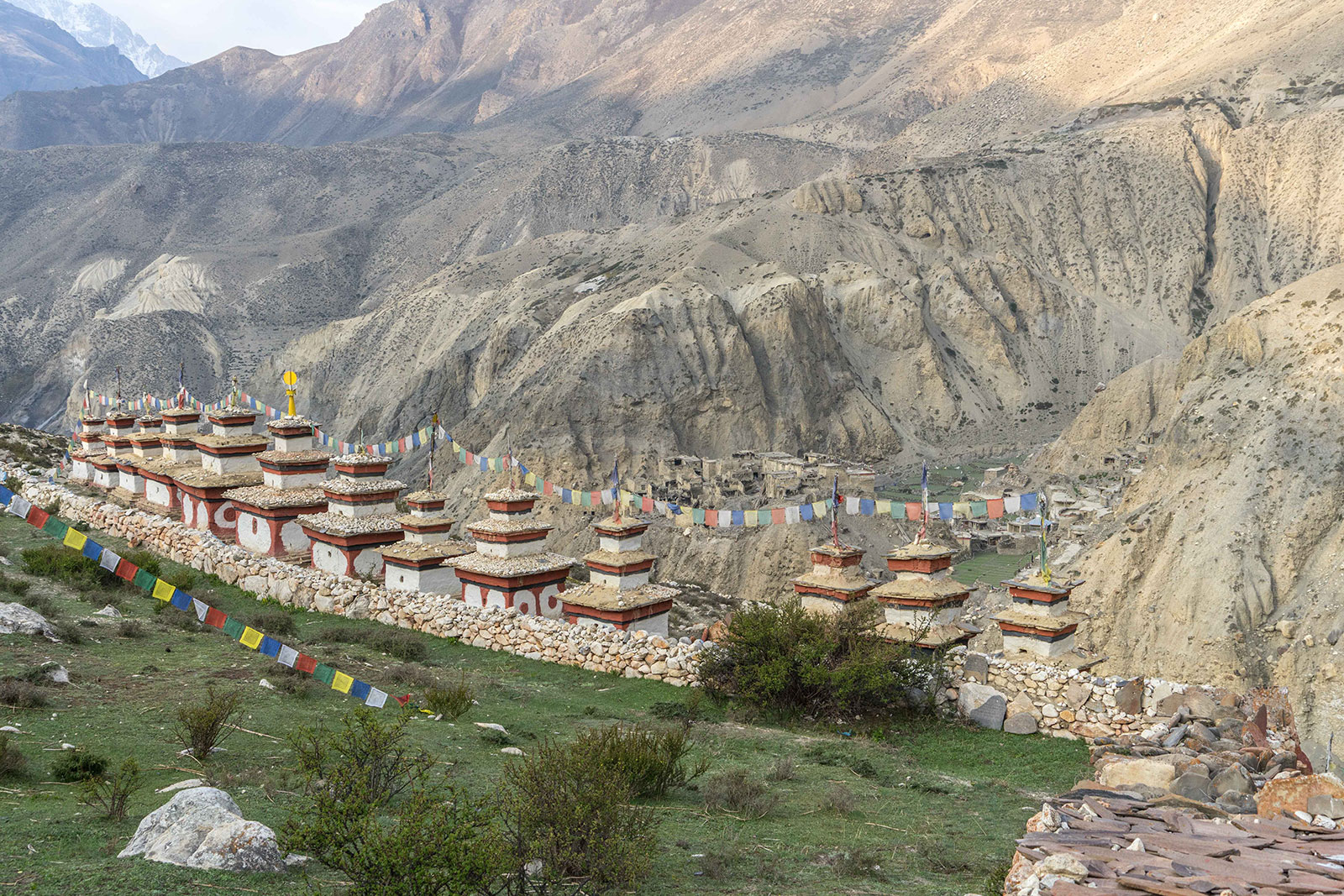
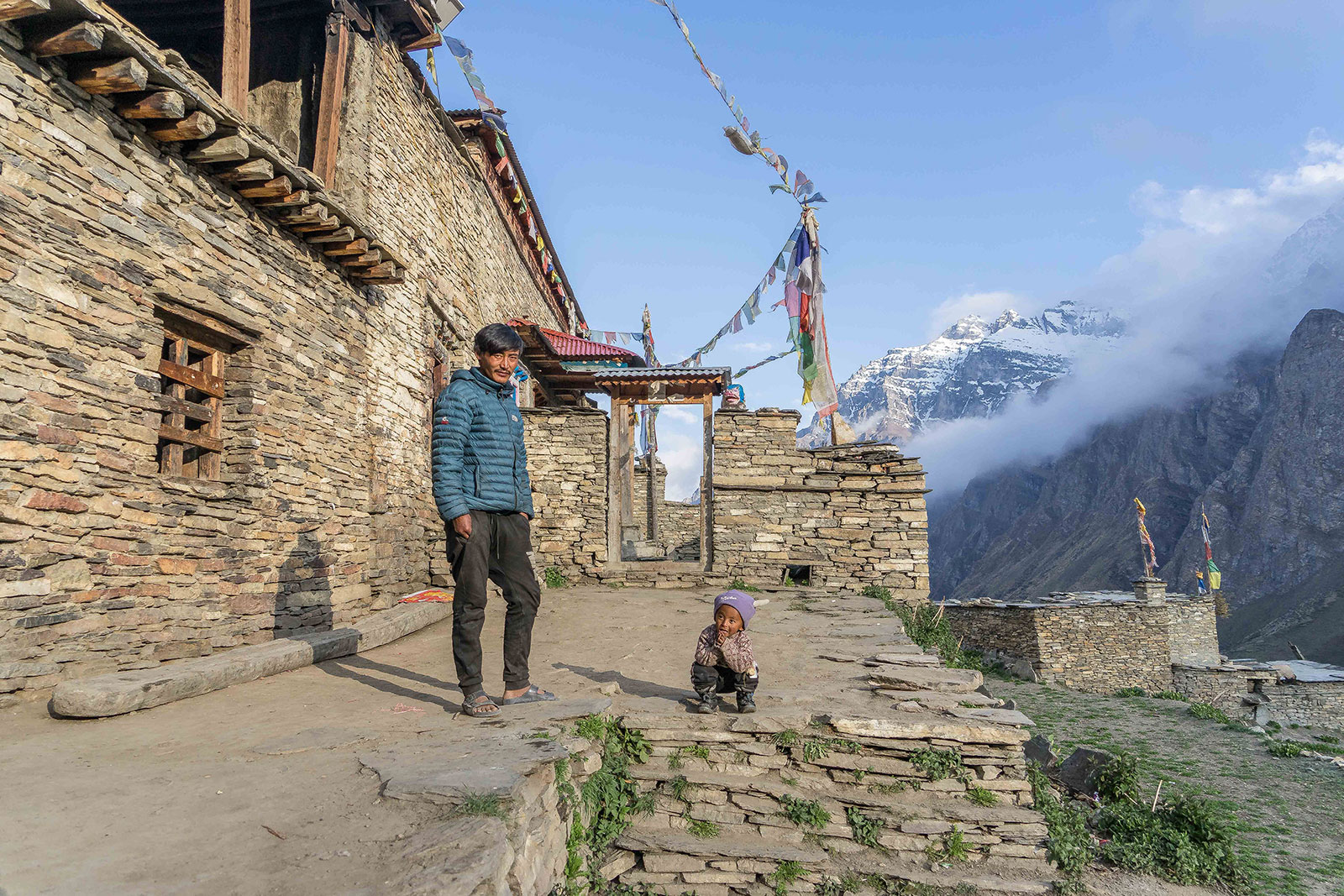
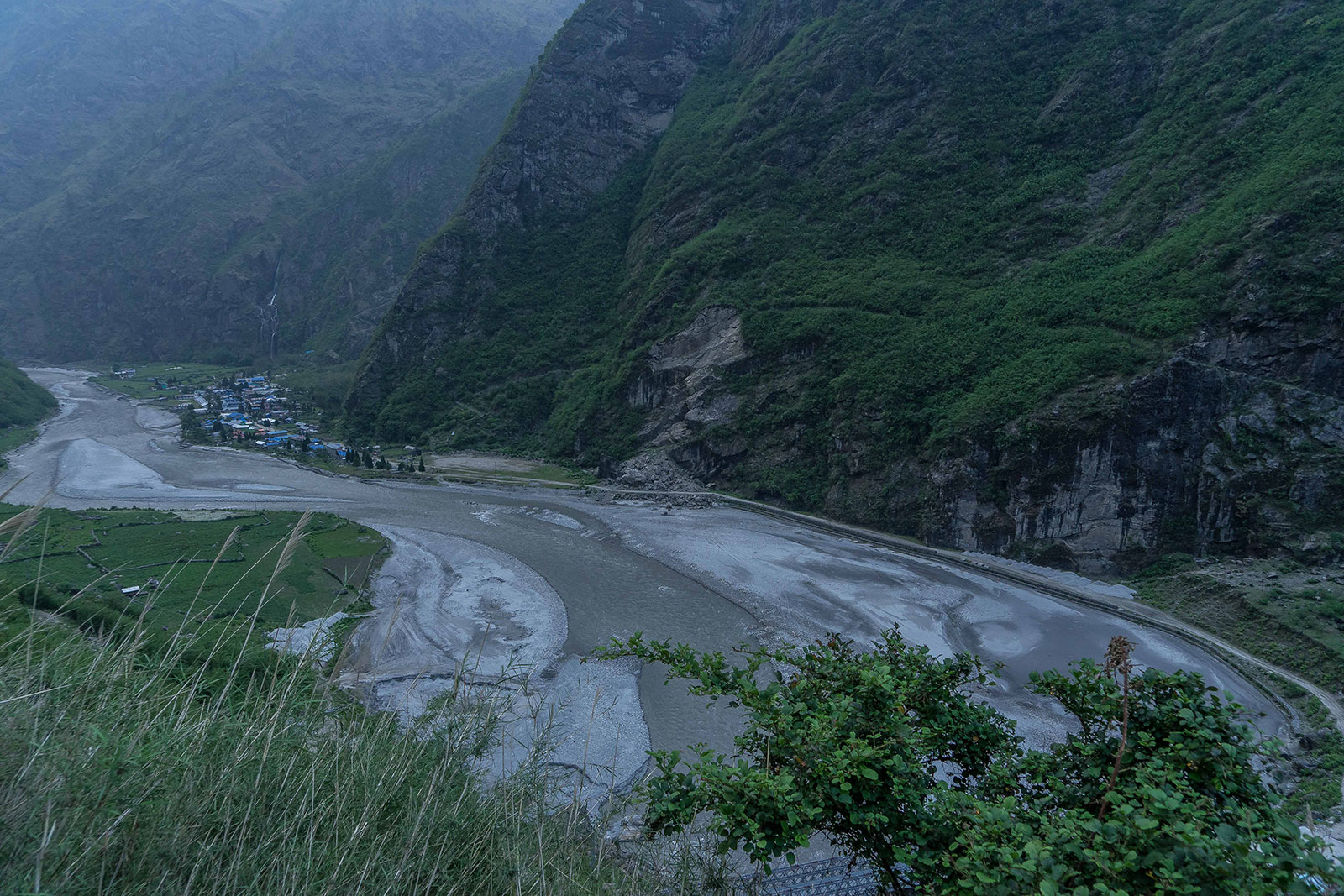
What is the Nar-Phu Valley Trek?
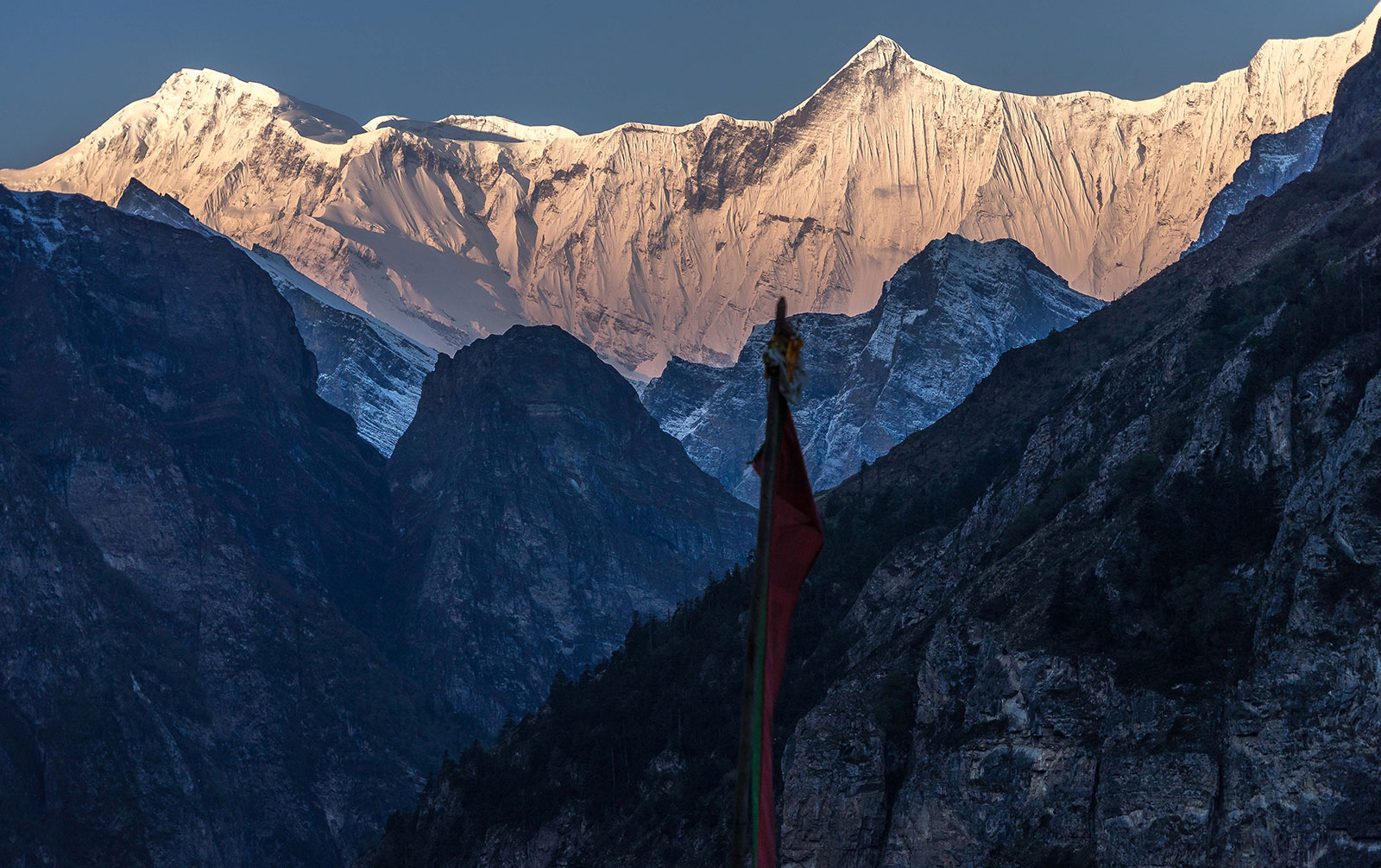
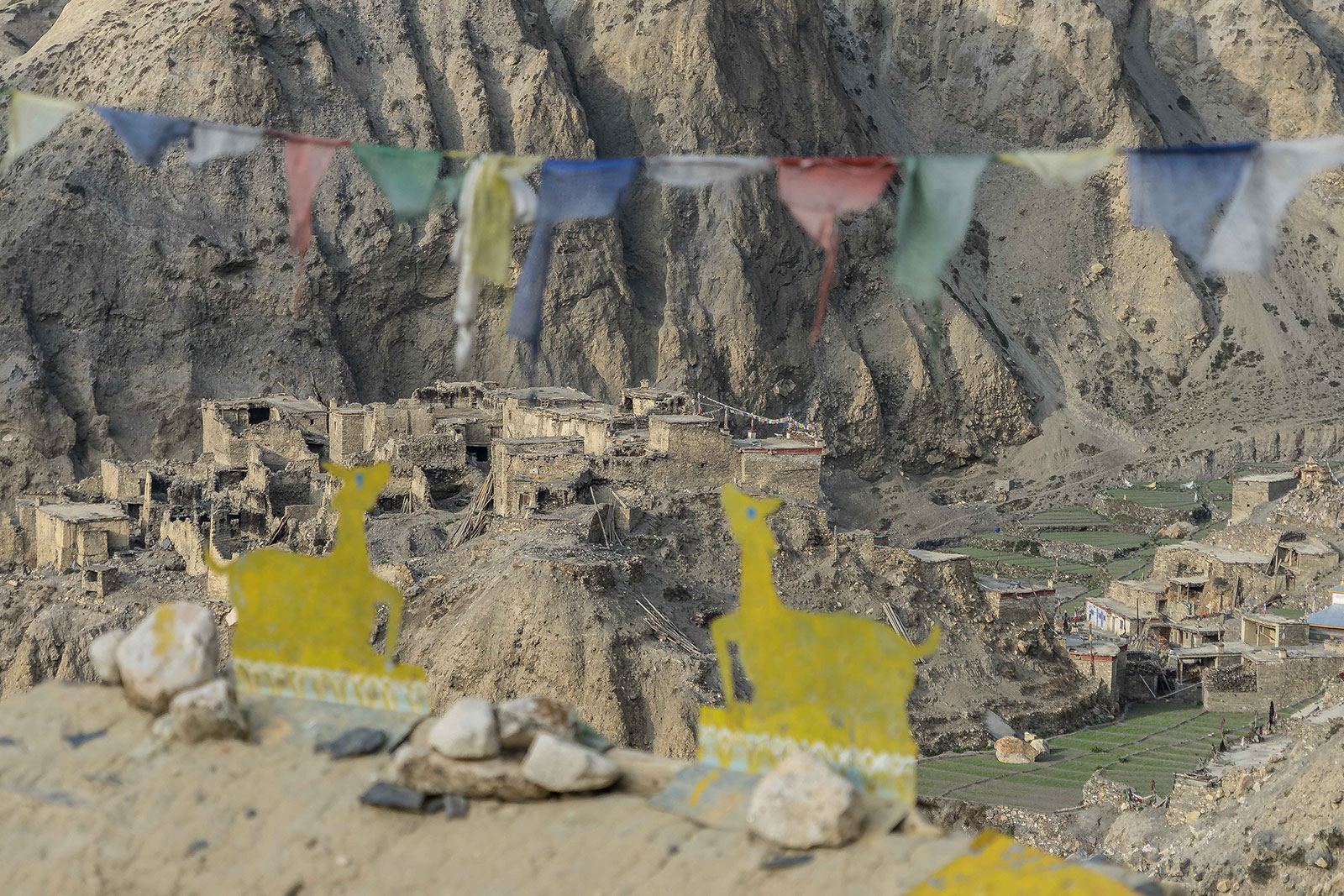
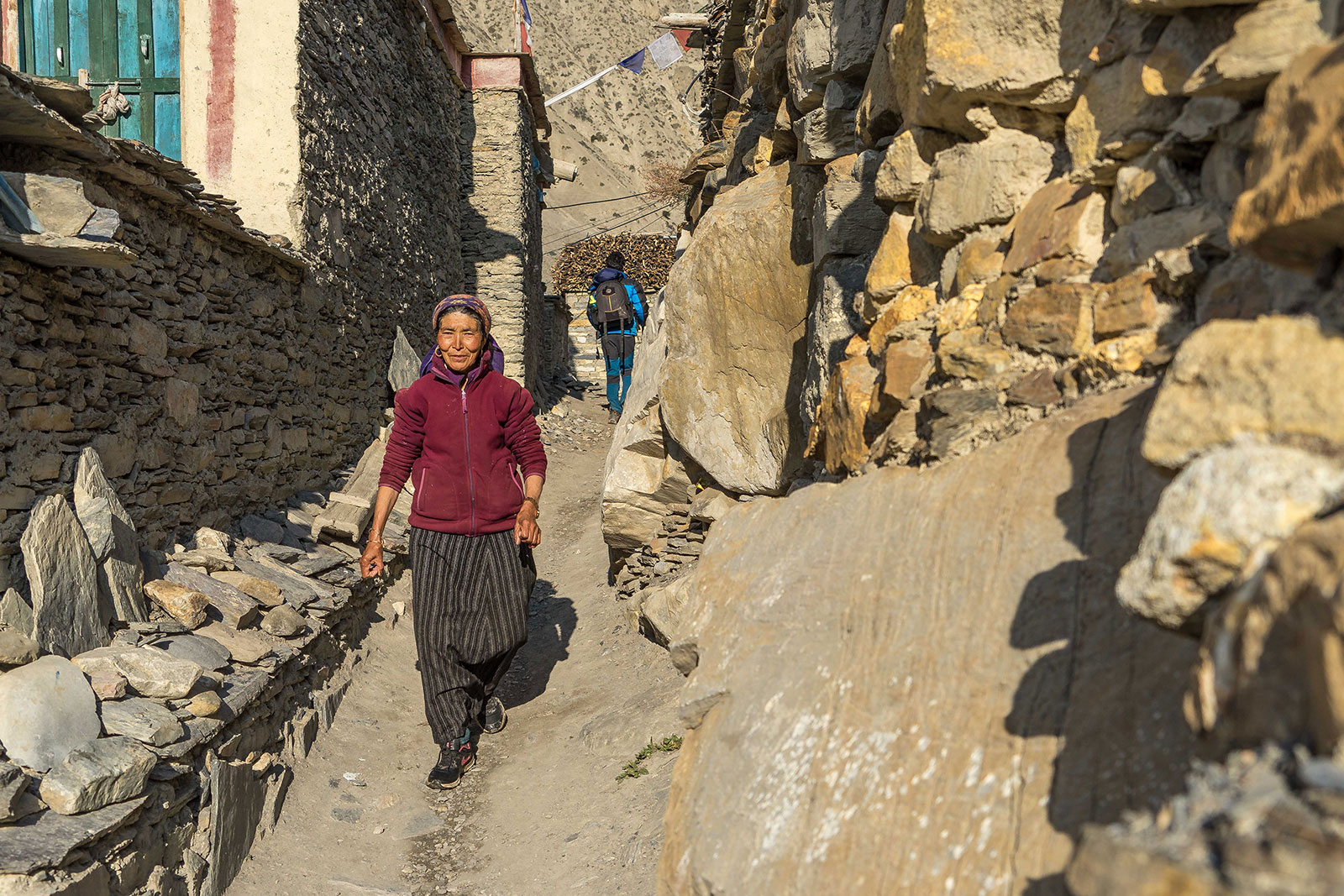
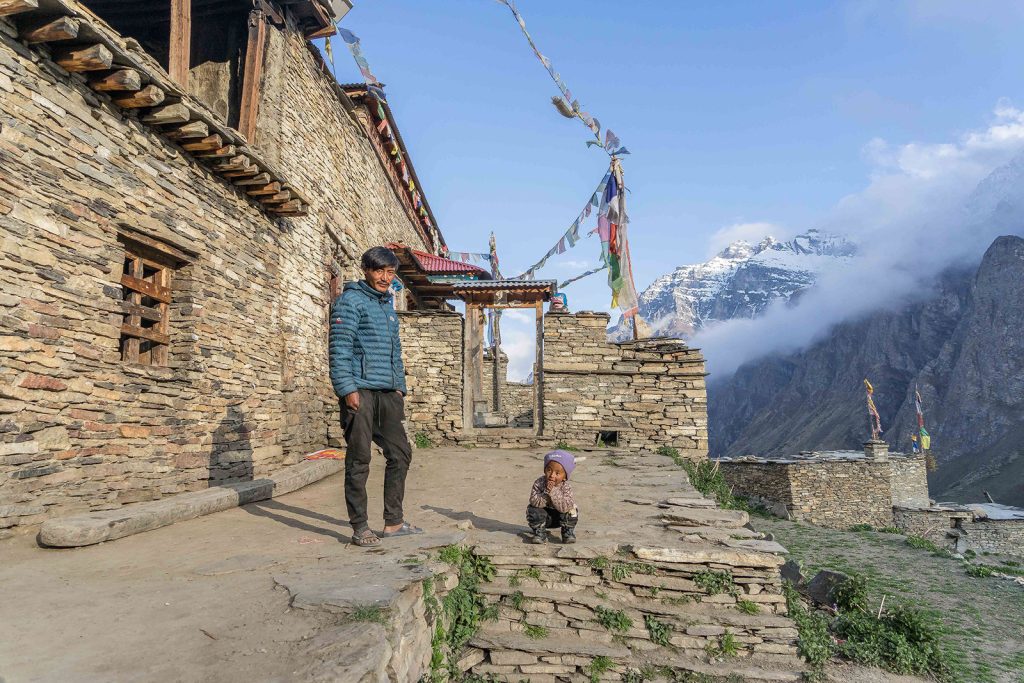
The Nar-Phu Valley Trek offers an extraordinary journey through one of Nepal’s most remote and untouched regions, nestled in the rain shadow of the Annapurna and Manaslu ranges. This hidden gem takes trekkers through narrow gorges, ancient Tibetan-style villages, high-altitude pastures, and serene Buddhist monasteries, all set against the dramatic backdrop of towering peaks like Himlung Himal and Kang Garu.
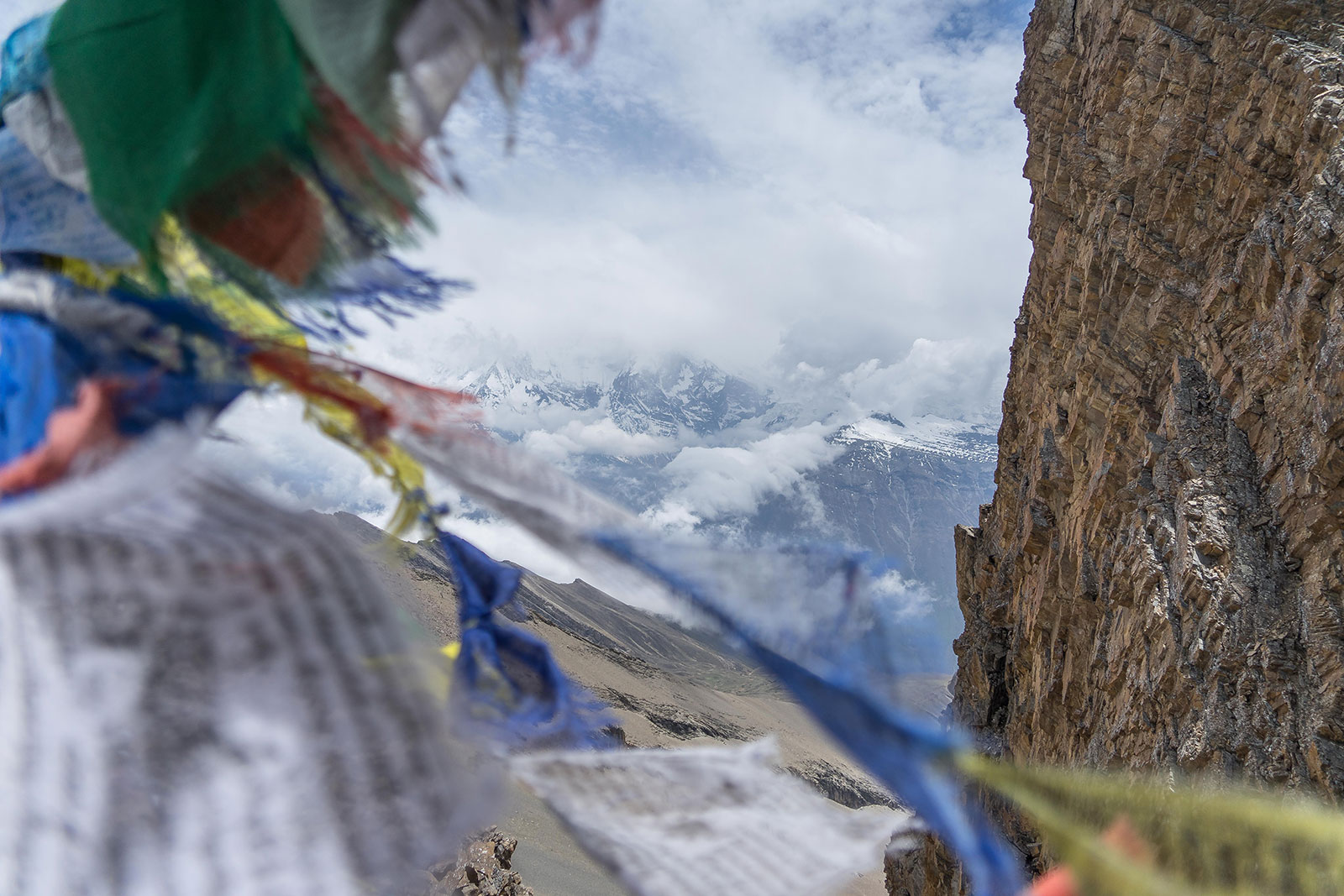
The trek offers an authentic cultural experience in the villages of Phu and Nar, where locals still follow traditional practices, and culminates in crossing the challenging Kang La Pass (5,320m), rewarding trekkers with panoramic views of the Annapurna massif. Ideal for those seeking solitude, adventure, and a deep immersion in mountain life, the Narphu Valley is a perfect escape for those looking for a less-traveled and truly spectacular trek.
Price Information
Itinerary
Day 1: Arrival, collect passport, informal welcome dinner
Meals included: (D)
Arrive at Tribhuvan International Airport, Kathmandu, where a member of our team will meet you and transfer you to your hotel. After settling in and handing over your passports for restricted-area permit processing, the rest of the day is free to relax and decompress. In the evening, join us for an informal welcome dinner. Overnight in Kathmandu.
Day 2: Tour briefing & walk through Asan Bazaar, Kathmandu Durbar Square & visit UNESCO World Heritage Site Swayambhunath Stupa
Meals included: (B)
Today we will start the day with a pre-trek briefing, gear check and final preparations. After any last-minute shopping and lunch, we will stretch our legs as we walk through Thamel, the tourist area of Kathmandu and on through Asan Bazaar, then Kathmandu Durbar Square before heading to Swayambhunath Stupa to walk a kora with local pilgrims as they perform their early evening prayers.
Asan is the historical, cultural, and commercial centre of Kathmandu and where you are able to experience the real everyday life of Kathmanduites as they shop and go about their daily lives. This ancient bazaar has a myriad of alleyways interspersed with temples and monasteries and is the heart of the Kathmandu Newar community. The bustling, narrow streets are filled with tiny shops selling everything from spices, to kitchenware, hardware, plants, seeds, clothes, vegetables, meat, dried beans, fish, homemade pickle, delicious snacks, festival essentials and much, much more. A wander through these ancient streets is always a feast for the eyes and senses. We will arrive in Kathmandu Durbar Square, a dense cluster of old palaces, courtyards and beautifully carved temples that once hosted royal ceremonies and daily life in the old kingdom. Hanuman Dhoka Palace, the Kumari Ghar and a mix of pagoda-style shrines keep the square buzzing with heritage, worship and movement.
Swayambhunath or the Monkey Temple, is one of Nepal’s most iconic and easily recognised temples with its fluttering prayer flags and unforgettable eyes of wisdom painted high on the central stupa. Sat majestically on top of a hill to the west of the city, this ancient and beautiful Buddhist temple sees a constant stream of locals and pilgrims walking in a clockwise kora and climbing the steps to worship at the many shrines surrounding the great stupa. From its hilltop location, Swayambhunath also offers some of the finest views across Kathmandu and the valley.
Day 3: Drive from Kathmandu to Koto (230 km, c.11 hours, 2,600 m)
Meals included: (B, L, D)
After an early breakfast, begin a long and scenic drive toward the Annapurna region. The route follows the Trishuli and Marsyangdi Rivers, passing through terraced hills, lush valleys, and small roadside villages. You’ll transition from paved roads to off-road tracks as you approach Koto via Besisahar, Dharapani, and Bagarchhap.
Day 4: Trek from Koto to Meta (14-19 km, c.6-7 hours, 3,230m)
Meals included: (B, L, D)
Leave the main Annapurna Circuit trail and enter the hidden Nar and Phu valleys. The path follows a narrow river gorge through dense pine and fir forests, crossing several suspension bridges and passing cascading waterfalls. The landscape becomes increasingly rugged as you ascend to Meta.
Day 5: Trek from Meta to Kyang (9.6 km, c.4 hours, 3,840 m)
Meals included: (B, L, D)
A shorter, more relaxed trekking day through a stark and beautiful alpine landscape. Pass ancient Tibetan-style chortens, dry stone walls, and yak pastures. Kyang is a remote seasonal settlement where you may well be the only trekkers.
Day 6: Trek from Kyang to Phu (10 km, c.5-6 hours, 4,050m)
Meals included: (B, L, D)
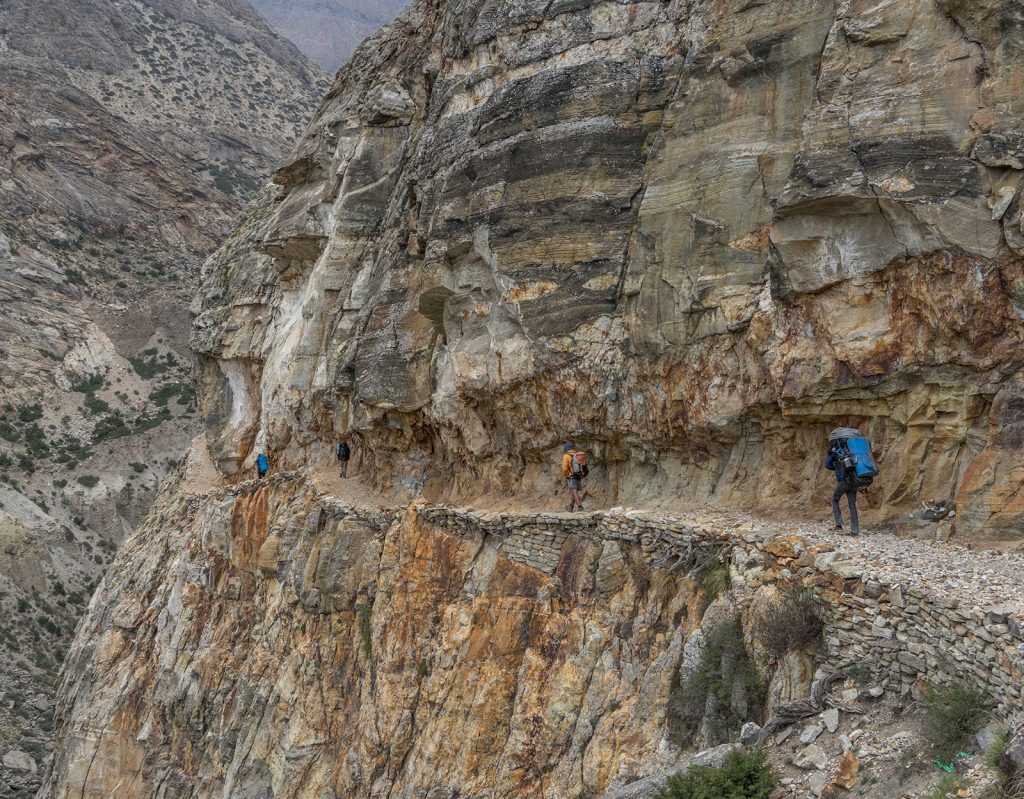
Continue northward along a dusty trail carved into cliff sides, with dramatic canyon views. Cross small bridges and ancient stone guard towers before reaching Phu. Explore the narrow stone alleys and visit Tashi Lhakhang Monastery.
Day 7: Acclimatisation and Exploration in Phu
Meals included: (B, L, D)
Rest day to adjust to the altitude. Visit Tashi Lhakhang Gompa, observe village life, or take a side hike to yak pastures and possible to hike all the way up to Himlung Base camp (4,900m) and back to Phu village.
Day 8: Trek from Phu to Nar (15 km, c.7 hours, 4,150 m)
Meals included: (B, L, D)
Retrace your steps briefly before heading toward Nar, passing chortens and mani walls. Nar is greener and more open than Phu, with a tiered village structure.
Day 9: Rest day and exploration in Nar
Meals included: (B, L, D)
Another rest and acclimatisation day before crossing Kang La Pass. Optional ridge hike (4,300–4,500m) or visit monasteries.
Day 10: Cross Kang La Pass (5,320m), Trek to Ngawal (3,660m), c.9 hours
Meals included: (B, L, D)
Start early for the toughest day of the trek. Reach Kang La Pass for stunning views of the Annapurna range. Long descent to the more populated village of Ngawal.
Day 11: Drive from Ngawal to Besisahar (60 km, c.6 hours, 820 m)
Meals included: (B, L, D)
Drive back through the Marsyangdi Valley, passing familiar villages like Pisang and Chame. Reach Besisahar by evening.
Day 12: Drive from Besisahar to Kathmandu (175 km, c.6-7 hours, 1,324 m)
Meals included: (B, L)
Return to the capital. Enjoy the drive through foothills and river valleys. Overnight Kathmandu.
Day 13: Visit UNESCO World Heritage Sites: Pashupatinath & Boudhanath
Meals included: (B)
Today you will have a free morning, to rest, explore by yourself or do some souvenir shopping. After lunch we will head to the north east of the city for a guided tour of UNESCO World Heritage sites, Pashupatinath and Boudhanath.
Pashupatinath is not only Nepal’s most important Hindu temple but also one of the most important Shiva temples on the Indian subcontinent. Standing on the banks of the holy Bagmati River to the east of the city, Pashupatinath draws devotees and sadhus, or holy men from all over Nepal and India and sees hundreds of thousands of pilgrims flock to the banks of the river each year to celebrate Shiva’s birthday during the festival of Maha Shivaratri. Pashupatinath is also Kathmandu’s most important cremation site, with burning ghats lining the river bank alongside the temple and is one of the Kathmandu Valley’s 7 UNESCO World Heritage sites.
Boudhanath is the religious and cultural centre for Nepal’s considerable Tibetan in exile population and home to one of the largest Buddhist Stupas in the world. The side streets surrounding the magnificent stupa are full of maroon-robed monks, gleaming monastery roofs, stalls selling yak butter lamps, shops selling the everyday paraphernalia of Buddhist worship and the low chant of monks at prayer. Best visited either early morning or late afternoon, just as dusk is falling, it is a spectacle in itself to watch the local community of all ages, turn out to circumambulate the stupa in a clockwise direction, turning their prayer wheels and gently chanting their mantras.
Day 14: Depart Nepal
Meals included: (B)
Today is the day when we have to say our last goodbyes, as your airport transfer will whisk you away to catch your plane home.
The itinerary is a guide only and may change depending on conditions, group ability and local circumstances. Trekking timings include breaks and are approximate.
What is included?
- Pre-trip advice and briefing
- Airport transfers for international
- All in country transportation in private vehicles
- 4 nights B&B hotel accommodation in KTM at Hotel Nomad or similar
- 1 night B&B hotel accommodation in Besisahar at Hotel Baranda or similar
- 9 nights full board accommodation in tea houses during the trek
- Meals as outlined in the itinerary B: 13, L:9, D:10
- Guided tours in Kathmandu Durbar Square, Swayambhunath Stupa, Pashupatinath Temple & Boudhanath Stupa
- Necessary permits and entrance fees.
- Duffle bags for your trekking gear for the duration of the trek
- Minimum of 1 guide with the group at all times
- Assistant guides where required (1 guide per 4 pax)
- 1 porter for every 2 pax
- Insurance for our staff
- Group medical kit
- Government taxes
What isn't included?
- International flights to and from Kathmandu
- Visas for Nepal (available on arrival)
- Insurance (insurance to include evacuation is mandatory to a maximum elevation of 5,320 m Kangla Pass)
- Meals unless specified in the itinerary
- Personal expenses to include, but not limited to beverages, alcoholic drinks, gifts, laundry, snacks throughout the trip. Hot showers and battery charging during the trek
- Sightseeing unless specified in the itinerary
- Tips
- Charges incurred as a result of delays beyond the control of Himalayan Quests
Inquire NOW to receive our full in-depth Nar Phu Valley Trek Itinerary
Simply fill out the form, and I will be in touch with the full details and next steps. If you’d like to talk things through or ask any questions, a call can easily be arranged at any point.
Frequently Asked Questions
Who is the on the ground supplier for this trek?
We have partnered with Himalayan Quests to provide all of our treks across Nepal. Based in Kathmandu, they are a Nepali organisation made up of outdoor professionals with both international and local accreditation and experience, and thus have unparalleled knowledge of their country, its customs, and people.
Where does the 20% profit donation from this trip go?
Our partner, Himalayan Quests, has a sister company, the Himalayan Quests Foundation. The Himalayan Quests Foundation is working in the following key areas: Health Camps, Rural Community Projects, and Rebuilding after the 2015 Earthquake. 20% of the profit made on each of our trips in Nepal will go directly to the foundation, helping them to deliver more of the great work they already do.
To read more about this work, and if you would like to donate, you can follow this link: https://www.hqfoundation.org.np/
What fitness level do you need to complete this trek?
You should be able to walk comfortably for 5 to 7 hours a day on uneven, hilly terrain. No mountaineering experience is needed. It is recommended to train walking uphill (use a stair master if you don’t live in a hilly area) to put yourself in the best position possible.
You May Also Like...

Everest Base Camp
Manaslu Circuit